Discover Your Perfect Pair of Running Shoes Today!
Ever wonder why your legs feel fresher after some runs but ache terribly after others? It often boils down to one critical factor: your running shoes. Choosing the right pair isn't just about style; it's essential for comfort, injury prevention, and peak performance. Whether you're a daily jogger, training for a 5K, or tackling marathons, understanding different running shoe types is key.
Why The Right Fit Matters
Ill-fitting running shoes are a leading cause of common running injuries like shin splints, plantar fasciitis, and knee pain. Your shoes need to support your unique foot structure and running style. Key features to consider include cushioning (absorbing impact), stability (controlling pronation), drop (heel-to-toe height difference), and breathability. Understanding these will guide you toward your ideal match.
Finding Your Perfect Type:
- Cushioned/Neutral Shoes: Ideal for runners with efficient strides and minimal pronation. They focus on impact absorption, often featuring plush midsoles made of EVA or innovative foams like Brooks' DNA LOFT or Nike Air Zoom units.
- Stability Shoes: Designed for moderate overpronators. They integrate firmer foam or medial posts to gently guide the foot and prevent excessive inward rolling. Look for dual-density midsoles or guidance lines.
- Motion Control Shoes: For severe overpronators with flatter feet, offering maximum support and rigidity to stabilize the entire gait cycle.
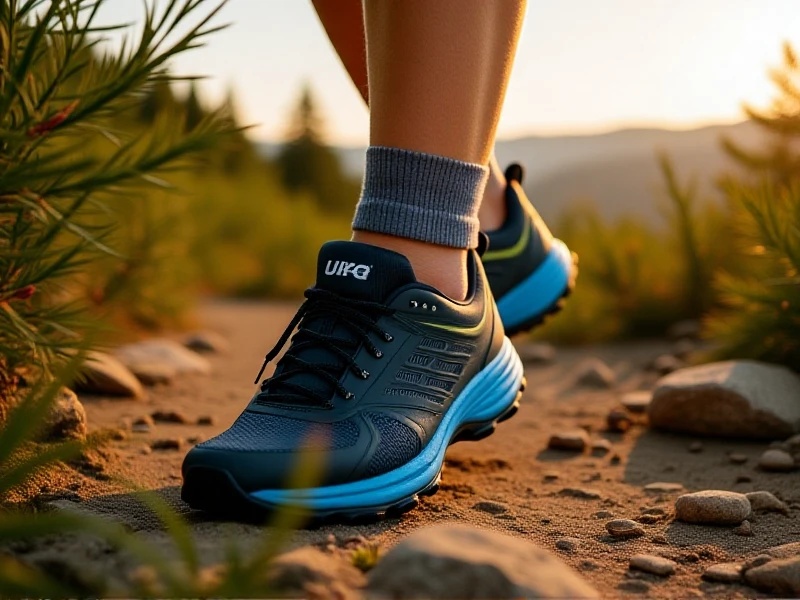
- Trail Running Shoes: Prioritize grip and protection. Deep, multidirectional lugs tackle muddy paths, while rock plates shield feet from sharp stones. Water-resistant uppers are common.
- Racing Flats/Carbon Plate Shoes: Built for speed on race day! Feather-light with minimal cushioning or super-responsive carbon fiber plates that propel you forward. Best saved for peak performances, not daily training.
Top Tips Before You Buy:
- Get Professionally Fitted: Visit a specialty running store for gait analysis and expert advice.
- Shop Later in the Day: Feet swell during running and throughout the day.
- Leave Thumb Space: Ensure about a thumbnail's width between your longest toe and the shoe's end.
- Consider Surface & Mileage: Match the shoe to your terrain (road vs. trail) and weekly distance. Rotating between 2 pairs extends shoe life.
Investing time in finding your perfect running shoes directly impacts your enjoyment and longevity in the sport. Listen to your body – persistent pain signals it's time for a new pair or a different model. Don't compromise; your feet (and your next PR!) will thank you.
Ready to outrun your limits? Explore our curated selection of top-rated running shoes for every stride and distance. Your next breakthrough run starts here! Lace up and hit your pace.